
Dabbling VS Diving Ducks

Welcome back birders!
Hope everyone’s been getting out and seeing some cool birds!
Birding News: The American Birding Association’s Bird of the Year is the Horned Lark! Hopefully you all have been having better luck finding this bird than I have!
What to be looking for:
With March just around the corner, several different bird groups are going to be starting their northward migration. While waterfowl are one of the highlights throughout the winter, more and more may be passing through on their way north to their breeding grounds in northern North America.
March also means the official start to many hawk counting sites. This groups can be a bit intimidating to some. After all, these birds are in a hurry to get north and many times are only in sight for a very short moment as they fly overhead and out of sight. We will be going over tips on this group in the next few emails. But in the meantime, check to see if there is a hawkwatching site near you!
https://hawkcount.org/sitesel.php
Hawkwatching sites are great places to visit, not only to see raptors that you may not normally see, but they are also great places to learn in-person from experts!
Birding Tip:
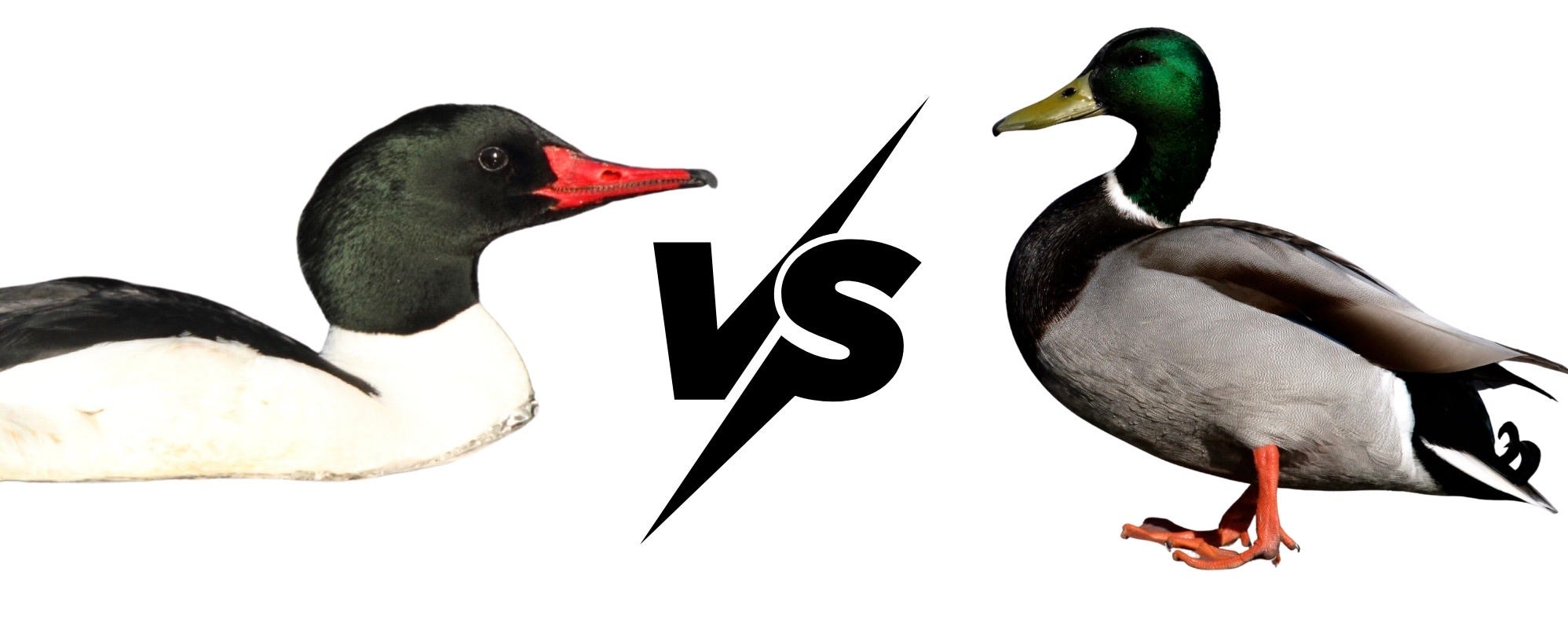
As mentioned in the last post, many areas where there is open water, many different duck species are congregating.
Many of these waterfowl can be divided into two groups; dabbling ducks and diving ducks.
While these names allude to just foraging behavior dividing them, that’s only the tip of the iceberg on their differences.
But let’s start with using behavior to first tell them apart. As you may have guessed, you will often see diving ducks —diving. While dabbling ducks will dive, they do so infrequently, more often, you will see them tipping their front half underwater in order to reach vegetation that is just under the water's surface. Think about a group of mallards, seeing them taking turns dunking their head underwater, with only their butt pointing upwards.
Diving ducks dive. Often very frequently, many times to the great annoyance of nearby birders or photographers, who may only get a brief look of the bird before they go underwater again in search of food.
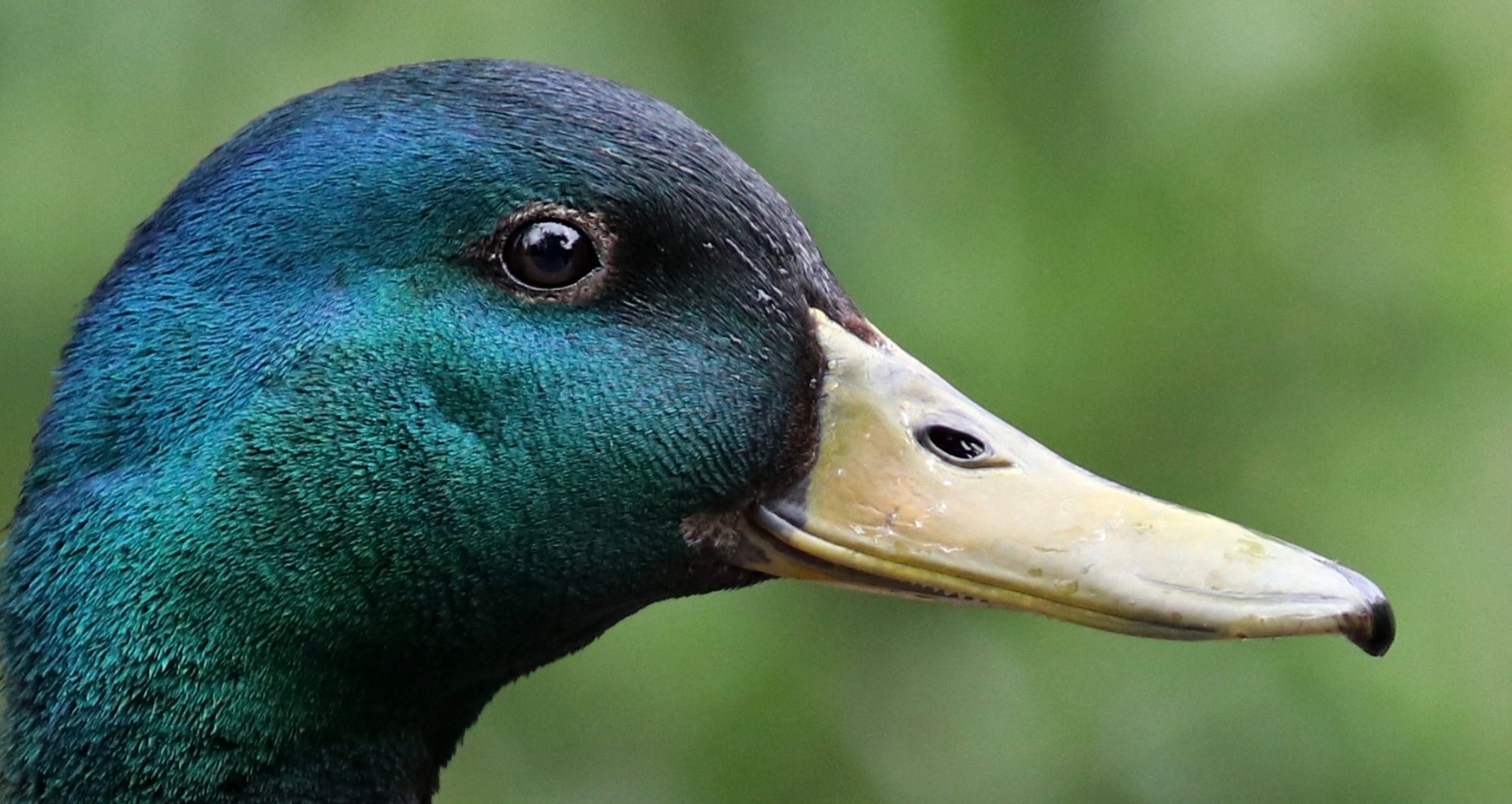
Food is the main key to these differences in behavior. Dabbling ducks dabble. So they tend to forage on plant materials just under the water's surface. This diet is also reflected in their bill shape. These bills tend to be wide and flat, perfect for plucking aquatic vegetation.
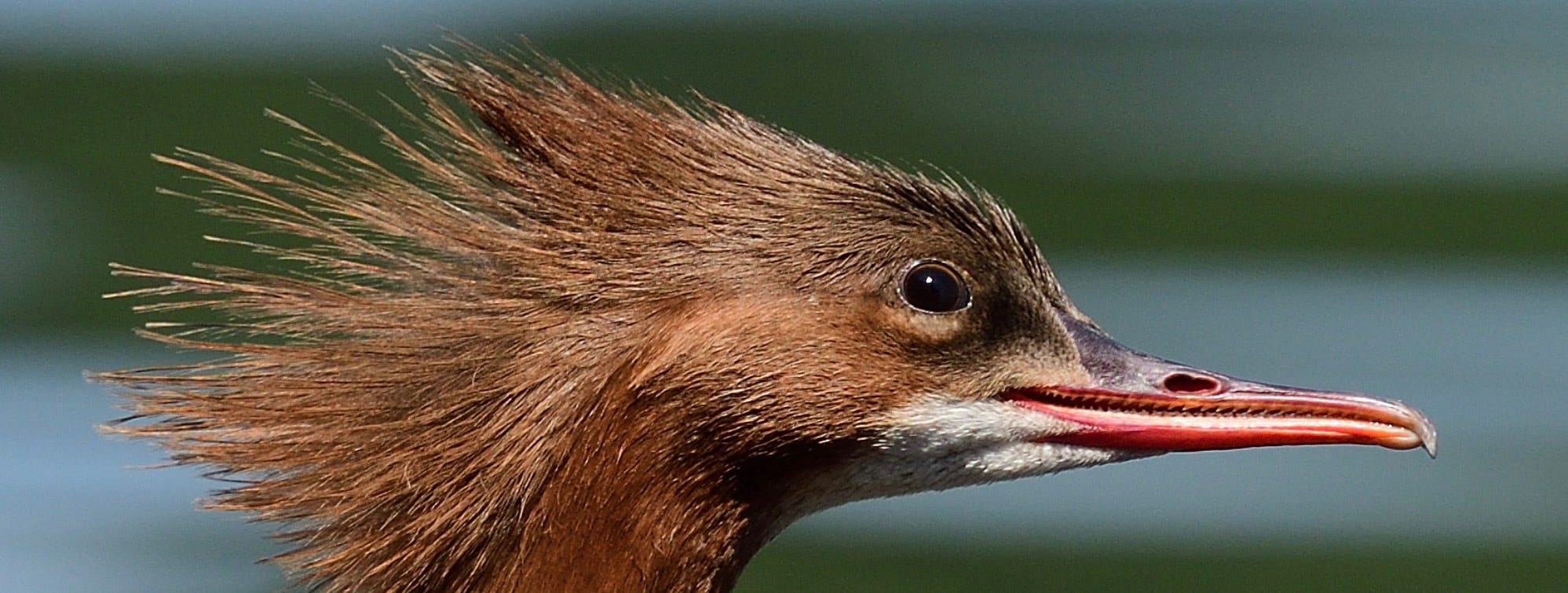
Diving ducks have a different diet than dabblers do. Their preferred foods include fish, mussel and other aquatic crustaceans. These food items require ducks to go further underwater than just near the surface. Many species that prefer fish as their primary diet will have very thin, long bills — a Common Merganser is a good example. Scoters, who like mussels, will have a wider, thicker bill so they can pluck them off rocks and crush their shell.
There are also several more minor differences between these two groups.
Often dabbling ducks float a bit higher in the water, showing more of their body than diving ducks, who tend to sit lower in the water. This reduced buoyancy can help them with their ability to dive for food.
Because diving ducks need to be able to dive and maneuver underwater, their legs tend to be placed further back on their body than dabbling ducks. This placement makes them better at swimming. Because of this placement, they often need to do a running start across water to take flight.
Since dabbling ducks often walk on land, they have their legs placed directly under them, this also gives them the ability to take off vertically from water
Because of each group's preferred diet and foraging methods, they can also often be found in different habitats, or at the very least, different parts of a habitat. Dabbling ducks tend to be closer to shore, or in shallow marshes, rivers, and ponds. Places that they will be able to reach aquatic vegetation. Diving ducks on the other hand, will be further away from shore in deeper, open lakes and bays. Places that they will be able to forage for fish and other critters found along the bottom of their chosen body of water.
I have a little quiz you can take to start getting familiar with dabbling ducks, who will often be closer to shore, and easier to learn first. I always recommend when starting to learn ducks, start with mastering the males. They are often brightly colored and boldly plumaged, the easiest ones to tell apart from each other. Females can be tricky, as they are the ones who nest and protect eggs, they are typically very cryptically plumaged and tend to look more similar to each other than males.
YouTube Dabbling Duck Quiz:
Happy Birding!
Kayla Fisk
In Idaho, I have seen the Horned Lark a couple of times. They love hiding in the grass fields, and I watch for movement in the top of grasses/ hay stubble.
Ducks are how I got started birdwatching. Where I am in AZ, there is a bay with Common Mergansers, Common Goldeneyes, Grebes and Pied-Billed Grebes and coots as regulars!
Ducks such as scaups and pochards can look pretty similar to dabbling ducks in general morphology and position on the water’s surface but will behave more like their merganser counterparts when feeding!